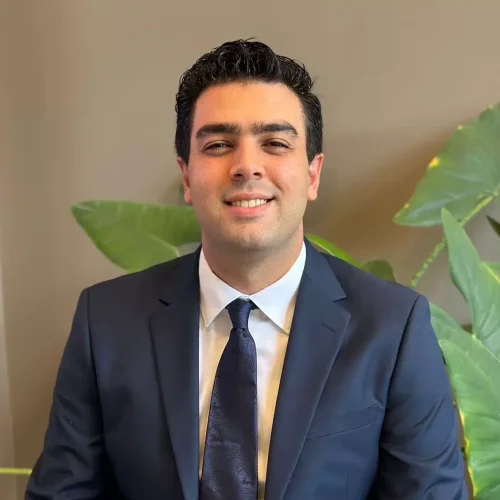
At Oakville Family Counselling Therapy, healing begins with compassion and connection.
Our expert therapists guide individuals, couples, and families through life’s toughest challenges.
From parenting struggles to separation, trauma, and mental health—we’re here to help you rebuild.
With empathy and evidence-based care, we foster resilience, restore trust, and strengthen family bonds.
At Oakville Family Counselling Therapy we offer an dedicated Family Counselling Therapy for Abuse to help families begin the process of healing. We provide a safe, compassionate space where the effects of abuse can be acknowledged, understood, and addressed together. With the help of our experienced therapists, families learn to rebuild trust, strengthen communication, and navigate the emotional impact of trauma. This therapy focuses on fostering resilience and restoring healthy family dynamics. Healing takes time, but with consistent support, this journey can lead to deeper connection and lasting change.

Family counselling therapy offers a valuable path toward healing, understanding, and stronger relationships. Working with a top rated therapist in Oakville, families can address emotional challenges, improve communication, and navigate life transitions with professional support.
Our approach is rooted in trauma-informed care, creating a safe and compassionate space where past hurts can be explored and resolved. Whether you’re experiencing conflict, stress, or disconnection, therapy provides the tools needed to build healthier dynamics.
During crisis moments, counselling offers practical strategies to manage stress and maintain clear, respectful communication. Support groups also play an important role in recovery, giving families a sense of connection and shared experience.
Through family counselling therapy, clients learn how to prevent patterns of harm, express themselves honestly, and rebuild trust. With the guidance of a top rated therapist in Oakville, families can move forward with confidence—restoring balance, resilience, and lasting connection.
Abuse leaves deep scars on family dynamics, often creating an environment of fear and mistrust that can disrupt even the closest of bonds. We understand that the trauma from abuse can ripple through every relationship within a family, leading to emotional distress and a breakdown in communication. It’s essential to recognize how this dynamic affects each member’s mental health and emotional resilience.
When we confront abuse, we may find ourselves caught in a cycle of family conflict management that feels overwhelming. Coping strategies, including open dialogues and seeking support, become essential tools for steering through these painful waters. Engaging in relationship counseling can offer us a safe space to explore our feelings and rebuild trust.
Establishing a strong support network is critical in this healing process. We must remember that healing isn’t linear; it takes time and patience. Together, we can foster an environment of understanding and compassion, allowing us to address the wounds of the past. By acknowledging the impact of abuse on our family dynamics, we can begin to reclaim our connections and work toward healthier, more fulfilling relationships.

A skilled therapist can provide essential guidance in maneuvering the complex emotions and challenges that arise during the recovery from trauma within a family. In our journey through trauma recovery, we often find ourselves steering through feelings of fear, guilt, and confusion. A family therapist plays a significant role in offering emotional support in families affected by domestic violence or family violence.
Through therapeutic counselling, we can explore these feelings in a safe environment, promoting healing and understanding. The therapist helps us develop effective safety planning strategies, ensuring that everyone feels secure while addressing the underlying issues.
Crisis intervention therapy can also be an important component, allowing us to address immediate concerns while laying the foundation for long-term recovery. By working closely with a mental health professional, we can identify and implement recovery programs tailored to our unique needs.
Ultimately, a family therapist stands as a beacon of hope, guiding us toward healthier dynamics and relationships. Together, we can transform our experiences of abuse into opportunities for growth and resilience, fostering a supportive environment where every family member can thrive.
Integrating Cognitive-Behavioral Therapy (CBT) into our family counselling sessions can empower us to challenge and reshape the negative thought patterns that often arise from experiences of trauma. By working with a cognitive-behavioral therapist, we can explore how our feelings and behaviors are interconnected, guiding us towards healthier emotional responses. This approach is especially beneficial in family counselling services, as it fosters open dialogue and enhances family communication therapy.
In the context of marriage and family therapy, CBT helps us identify and manage stress effectively, allowing us to develop practical strategies for conflict resolution in families. It’s essential to incorporate trauma-informed care, ensuring that we recognize the impact of trauma on our family dynamics. As we engage in emotional therapy and grief counselling, we can address our individual and collective pain while supporting one another’s healing processes.
Through CBT, we also gain valuable parental guidance, equipping us with the tools to model healthy coping mechanisms for our children. Ultimately, by integrating these techniques, we can create a safe and nurturing environment that promotes resilience and recovery within our family unit.
In the journey toward healing, family systems therapy offers us a compassionate framework to understand how the impact of past abuse resonates within our family dynamics. By exploring the intricate web of relationships, we can identify how emotional and psychological abuse have shaped our interactions and beliefs. This awareness is vital for fostering healing.
Through trauma therapy, we can address our individual experiences while recognizing how these experiences influence the collective family system. This approach encourages us to engage in couples and family therapy, where we can openly discuss the scars of abuse and work toward mental wellness together. It’s about changing our relationship dynamics to create a healthier environment for all.
Behavioral therapy techniques can also be integrated, helping us develop new ways to communicate and support one another. As we navigate this path, advocacy becomes essential; we learn to stand up against the remnants of abuse, ensuring that we protect one another and promote healing. By committing to this journey together, we not only heal ourselves but also strengthen the bonds that bind us as a family, paving the way for a brighter, healthier future.

Often, parent-child therapy plays an essential role in our journey of recovery from abuse, helping us rebuild trust and connection in our relationships. Through this therapeutic process, we can address the trauma that affects both parents and children, fostering a safe space for healing. An emotional resilience specialist often guides us, utilizing family therapy techniques that encourage open communication and understanding.
As we engage in parent-child therapy, we develop effective coping mechanisms that empower us to face our individual challenges. We learn valuable skills like boundary setting, which helps establish a healthier dynamic, ultimately enhancing our family healing. For parents, this therapy provides vital support, equipping us with tools to nurture our children’s adolescent mental health and bolster their self-esteem.
Witnessing our children thrive as they process their emotions is profoundly rewarding. We find ourselves not just recovering, but also growing stronger as a family unit. Together, we can navigate the complexities of our experiences, transforming pain into resilience. By committing to this journey, we embrace the opportunity for deeper connections and healthier relationships, paving the way for a brighter future.
Steering through the aftermath of abuse can strain our relationship, but couples therapy offers a vital opportunity for healing and reconnection. In the wake of an abusive relationship, we often find ourselves grappling with trauma and trust issues that can feel overwhelming. Engaging in communication skills therapy with a trained relationship counsellor helps us express our feelings and experiences safely.
This process isn’t just about addressing the past; it’s about empowerment and building a healthier future together. Our journey in therapy for family issues allows us to recognize patterns that have led to misunderstandings and conflict. Through marriage counselling, we can learn techniques to foster mental health awareness and resilience in our relationship.
Group therapy provides a supportive space where families affected by abuse can come together to share their experiences, fostering understanding and healing within the family unit. In these family therapy sessions, we can confront the trauma we’ve endured, helping each other navigate the emotional turmoil left by an abuser.
Participating in group therapy offers us the chance to connect with others who understand our struggles, reinforcing that we’re not alone in our journey toward recovery. Through parental counselling and family support programs, we learn healthy communication skills and coping strategies, which are essential for our mental health care.
For many of us, the path may begin at a domestic abuse shelter, where we first seek safety and stability. As we engage in group therapy, we create a safe environment where sharing becomes a powerful tool for healing. We learn about child protection and the importance of breaking the cycle of abuse, ensuring a healthier future for our children.
Together, we can empower each other to reclaim our lives, move beyond the scars of our past, and build a brighter future filled with hope and resilience.
Building emotional resilience in our families facing abuse is essential for overcoming trauma and fostering a nurturing environment where healing can truly begin. By utilizing family counseling, we can learn to support one another more effectively, recognizing the impact of abuse on our family mental health. Together, we can explore holistic therapy approaches that address both emotional and physical well-being.
It’s vital to develop coping strategies that empower us to manage stress and navigate the complexities of our experiences. Engaging in open conversations about childhood trauma allows us to break the silence, helping each family member feel heard and validated. This process not only strengthens our emotional resilience but also cultivates a sense of belonging and safety.
We should also incorporate therapy for stress into our routine, as it can provide valuable tools for managing overwhelming emotions. Ultimately, our goal is family wellness, where every member feels supported and valued. By building emotional resilience, we’re not just surviving; we’re creating a foundation for a healthier future, where love and understanding replace the shadows of abuse. Together, we can heal and thrive, fostering a brighter tomorrow for ourselves and our loved ones.
Steering through the challenges of anxiety and depression in families impacted by abuse can feel overwhelming, but together, we can find ways to support one another and foster healing. In our journey, it’s essential to recognize how trauma affects our emotional well-being. A psychotherapist specializing in family therapy can help us navigate these complex emotions, offering therapeutic interventions tailored to our unique situations.
We might find that anxiety manifests in our children, leading to struggles in school or social interactions. Engaging in child therapy can provide them with the tools to express their feelings and cope with their experiences. Simultaneously, we should consider effective parenting strategies that promote a nurturing environment, allowing our children to feel safe and understood.
Addressing our own depression can be equally important. By sharing our feelings openly within the family, we create a supportive atmosphere where we can all heal together. Through counseling, we can learn to manage our anxiety and develop resilience against the shadows of abuse. Remember, healing is a process, and as we lean on each other, we can reclaim our emotional well-being and foster a brighter future for our family.
Trauma-informed therapy offers a compassionate framework for abuse survivors and their families, helping us understand the profound impact of trauma on our lives and relationships. This approach emphasizes safety, trust, and empowerment, which are essential for our healing journey. By recognizing the effects of trauma, we can better navigate the complexities of grief and stress that often accompany abuse.
In family counselling, we’re encouraged to explore our emotional well-being together. This process fosters an environment where we can openly discuss our experiences, validate each other’s feelings, and rebuild connections. Therapy helps us identify patterns in how trauma has affected our mental health, allowing us to support one another as survivors.
Through trauma-informed therapy, we learn coping strategies that promote healing, enabling us to address our individual needs while acknowledging the collective impact of abuse. It’s about creating a nurturing space where we can process our pain and discover resilience. As we engage in this therapeutic journey, we’re not just surviving; we’re learning to thrive as a family, embracing our strength and commitment to each other’s emotional well-being. Together, we can reclaim our lives and foster healthier relationships.
Supporting children recovering from abuse requires us to create a safe and nurturing environment where they can express their feelings and rebuild trust. We must be aware that trauma can deeply impact their emotional well-being, and it’s essential to approach parenting with sensitivity and understanding. Consulting a child and adolescent counsellor can provide us with valuable insights and strategies for supporting our children effectively.
As we engage in parenting coaching, we should focus on fostering a sense of self-worth in our children. Encouraging open communication allows them to share their experiences and feelings without fear of judgment. It’s important to validate their emotions and let them know that their feelings are legitimate.
We should also consider family-focused therapy, which helps us address the emotional needs of the entire family unit. If we face a crisis, knowing a reliable crisis hotline can be a lifeline for immediate support. By prioritizing our children’s needs and recognizing the effects of child abuse and neglect, we can create a foundation for healing and resilience. Together, we can nurture their recovery journey and promote a healthier family dynamic.

Exploring holistic family therapy approaches can profoundly enhance our journey toward recovery from abuse, fostering healing not just for individuals but for the entire family unit. These integrative family therapy methods address the complex dynamics between victims and perpetrators, creating a safe space for open dialogue. By prioritizing safety, we can begin to dismantle the manipulation that often accompanies abusive relationships.
In our holistic family therapy sessions, we focus on the collective trauma experienced by each member. This guarantees that all voices are heard, promoting understanding and empathy. We explore the emotional and psychological aspects of abuse, recognizing how it impacts our family mental health care as a whole.
Counseling sessions can help us identify patterns and behaviors that contribute to ongoing cycles of abuse. By working collaboratively, we can develop healthier coping strategies, fostering resilience within our family. Through this journey, we learn to support each other in reclaiming our narratives, breaking free from the shadows of past trauma. Ultimately, these holistic approaches empower us to rebuild trust and connection, paving the way for a healthier family dynamic.
As we move forward in our healing journey, it’s important to implement long-term strategies that help us manage the aftermath of abuse and foster lasting resilience within our family. Acknowledging the trauma we’ve experienced, whether from intimate partner violence or coercion, is vital in addressing anxiety and depression in families. By engaging in family behavioral therapy, we can create a safe space to express our feelings and work through PTSD together.
Rehabilitation often includes developing coping mechanisms to combat substance abuse, which may have been a response to the overwhelming pain. We should prioritize family-centered counseling, ensuring that each member feels heard and supported. Together, we can establish routines that promote emotional well-being, making time for activities that strengthen our bond.
It’s essential to recognize that healing is a gradual process. As we navigate these challenges, we can lean on each other for support, share our successes, and approach setbacks with understanding. By committing to these long-term strategies, we not only manage the aftermath of abuse but also cultivate a resilient family environment where love and trust can flourish once again.
Healing from abuse starts with the right support. At our Oakville Family Counselling Therapy Center, we provide a safe, compassionate space to address the emotional and relational impact of trauma. Our trained marriage and family therapists help you rebuild trust, improve communication, and work through conflict together.
We also guide families through options like legal protection and access to social services, ensuring you feel informed and empowered.
Take the first step toward healing—contact us today to learn how our family counselling and guidance services can support you and your loved ones.

When we think about whether our family needs counseling, it’s important to reflect on our interactions and feelings. Are we often feeling stressed, anxious, or disconnected? Do we notice patterns of conflict or communication breakdowns? If we find ourselves struggling to support one another or feeling overwhelmed, it might be a sign that we could benefit from professional guidance. Seeking help can be a courageous step towards healing and understanding together.
When we’re seeking a family therapist, it’s imperative to look for specific qualifications. They should have a degree in psychology or social work, along with specialized training in trauma and abuse issues. We need someone who’s licensed and has experience working with families in distress. It’s also important they demonstrate empathy and create a safe environment where we can openly share our feelings. Trusting their expertise will help us on our healing journey.
When we think about how long family counseling typically takes, it’s important to remember that each situation is unique. Generally, we might expect it to last anywhere from a few weeks to several months, depending on our needs and goals. We’ve seen that progress often varies, and what’s most essential is creating a safe space where we can openly communicate and work through challenges together. Patience and commitment can lead to meaningful change.
We recognize that privacy is a crucial concern for many families considering therapy. Generally speaking, most therapists prioritize confidentiality and take measures to protect our discussions. They’ll explain their privacy policies, ensuring we’re comfortable with what’s shared. It’s important to create a safe space for open communication, allowing us to express ourselves freely while knowing our information remains secure. Trust in the process can foster healing and deeper connections within our family.
Yes, counseling can definitely help, even if the abuse happened years ago. We often find that discussing past experiences allows us to process unresolved feelings and gain a new perspective. It’s never too late to seek healing. By exploring our emotions in a safe space, we can begin to understand how those experiences shape us today. Together, we can work towards healing and reclaiming our lives, regardless of when the abuse occurred.
Nestled comfortably between the urban energy of Toronto and the industrial heartbeat of Hamilton, Oakville feels like a breath of fresh air. This lakeside gem is known for its immaculate parks and inviting neighborhoods that exude warmth and character. If you’ve ever strolled through Tannery Park, you’ve probably paused to admire the peaceful waves of Lake Ontario—it’s one of those local treasures where nature whispers calm into your day. And if you’re up for a family outing, Bronte Creek Provincial Park won’t disappoint, with its blend of hiking trails, playgrounds, and sunny picnic spots perfect for lazy afternoons.


What really makes Oakville shine, though, is the character of its neighborhoods. Downtown Oakville buzzes with boutique shopping, cozy cafés, and seasonal festivals that make every visit feel special. Not far off, Old Oakville welcomes you with charming heritage buildings and a walkable, storybook setting that nods to the past. Over in Glen Abbey, golf lovers know they’ve found their paradise, while Joshua Creek draws families with its modern homes and top-tier schools. Whether you’re wandering art-filled paths in Gairloch Gardens or enjoying lakeside serenity, Oakville strikes a beautiful balance between nature’s calm and the pulse of vibrant community life.

At Oakville Family Counselling Therapy, we are deeply committed to helping families navigate the complexities of relationships and life’s challenges.
Quick Links
Services
Contact Us
Clinic Hours
Copyright ©2025 “Oakville Family Counselling Therapy“. All Rights Reserved.